What Couples Should Know Before Planning a Wine Country Wedding
From a Local Wine Country Planner
Planning a wedding in Oregon Wine Country is undeniably beautiful—but it’s also highly specific. Vineyards are working agricultural environments, not traditional event venues, and understanding how they operate is key to creating a celebration that feels effortless rather than reactive.
As planners who work in wine country daily, here are the realities we guide our couples through early in the process—so there are no surprises later.
Noise Ordinances: Agricultural vs. State Rules
Some wine country venues fall under agricultural (AG) zoning, which often means music must end by 9:00 PM. This differs from standard state or city ordinances, which may allow sound until 10:00 PM.
The takeaway: your venue’s zoning—not the county’s general rule—dictates the timeline. This impacts ceremony start times, non-amplified music vs. band vs. DJ decisions, and whether a late-night transition is needed.
Summer Heat Is Real (Especially in July)
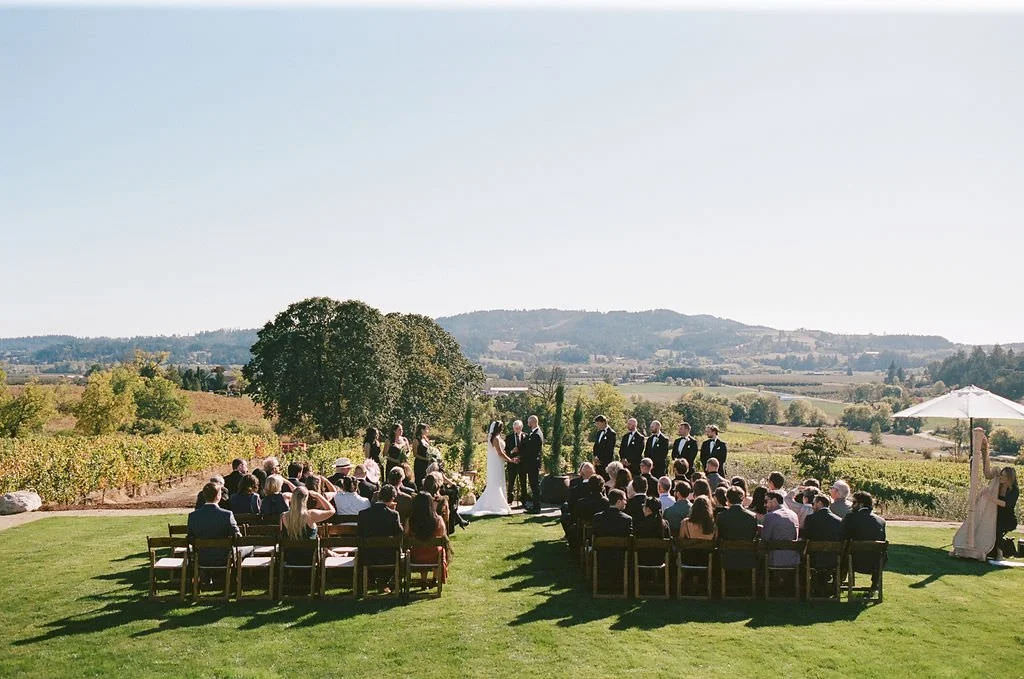
July in wine country is hot—often hotter than couples expect, especially for those traveling in from out of the area. Many vineyards are wide open spaces with limited natural shade, particularly during ceremonies.
We plan accordingly: later ceremony times, hydration stations, parasols, shaded lounge areas, and thoughtful guest communication go a long way toward comfort.

Wind: A Predictable Pattern (If You Know It)
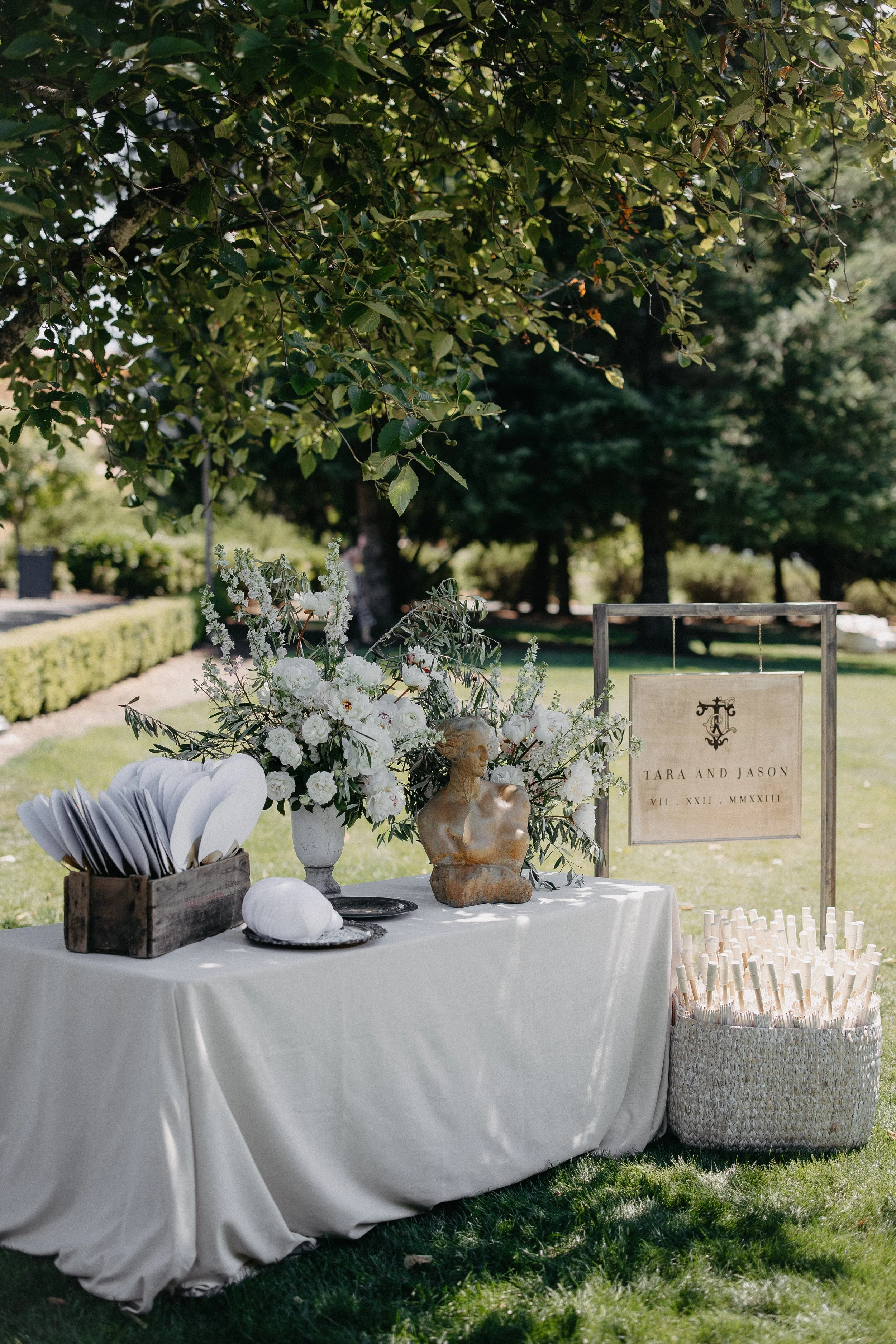
Wine country winds are no joke—and they tend to follow a pattern.
Winds typically pick up around 4:00 PM, which happens to be a popular ceremony start time
They often die down around 6:00 PM, just in time for outdoor dining
Knowing this allows us to adjust ceremony placement, floral mechanics, paper goods, hair styling, and even microphone choices to avoid mid-ceremony chaos.
Rain Plans: Often a Tent Requirement
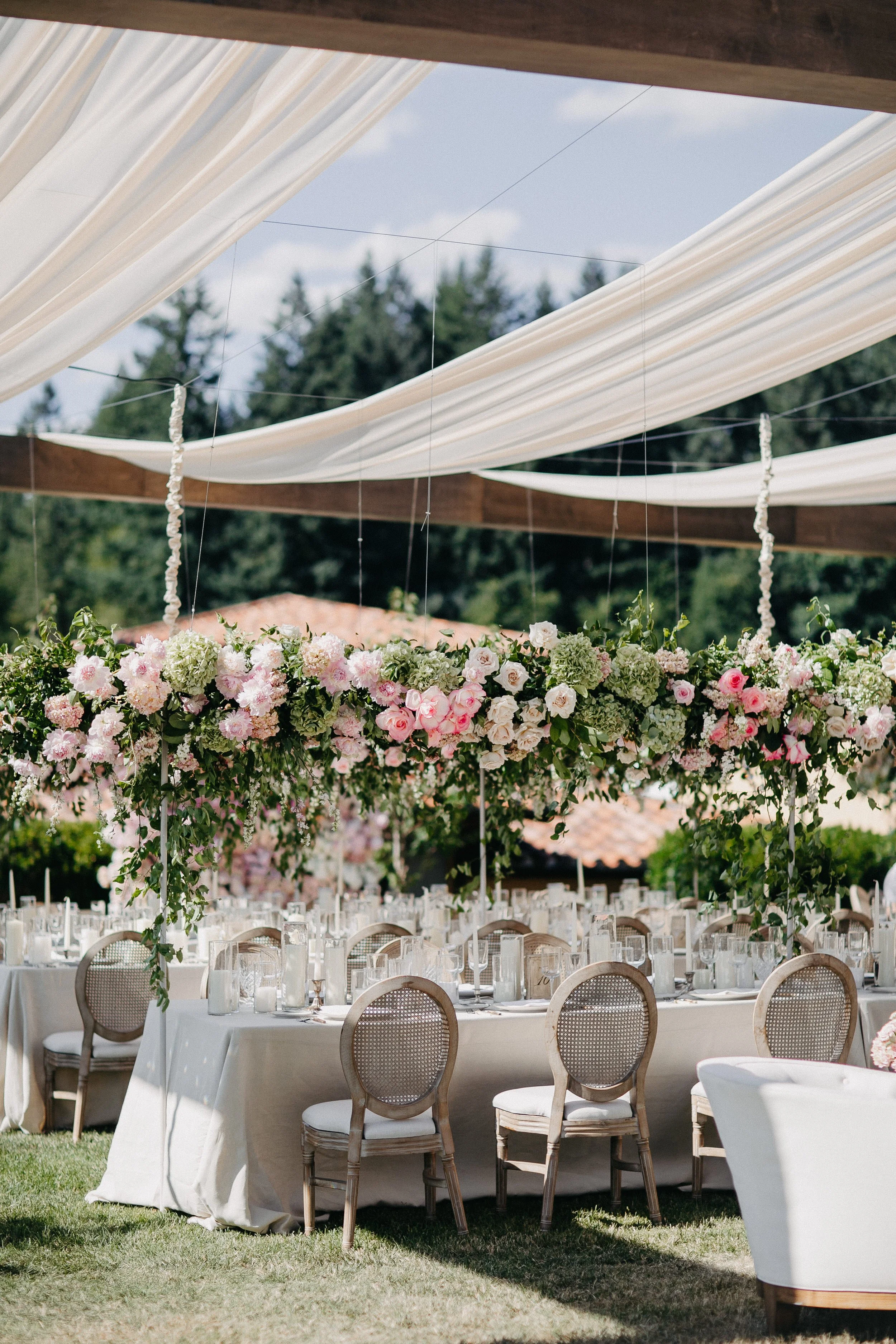
Unless a venue offers a true indoor rain plan, most vineyards require a tent if rain is in the forecast. This isn’t pessimism—it’s preparedness.
Tents affect layout, rentals, lighting, and budget, which is why we address rain contingencies early rather than scrambling the week of the wedding.
Harvest Season: Why Many Vineyards Pause Weddings
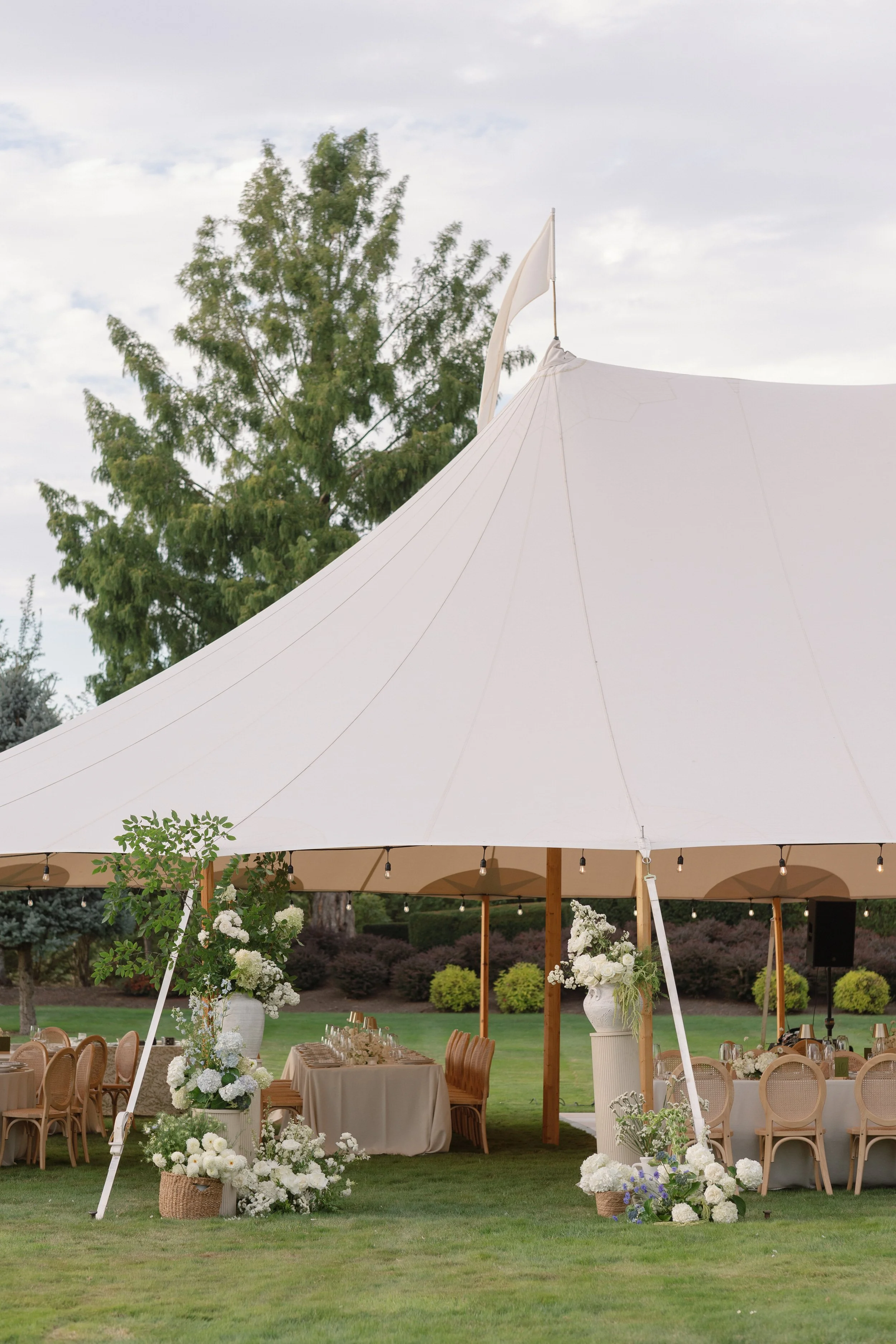
Most vineyards cease hosting weddings from September through early October, and for good reason. Harvest is loud, messy, and an all-hands-on-deck operation.
It’s also when fruit flies and gnats become more noticeable—they love wine just as much as guests do. (Pro tip: cover wine glasses during harvest-adjacent events.)
If a vineyard does allow weddings during this window, expectations and logistics need to be crystal clear.
Fire Season & Smoke Contingency Planning
Fire season is unpredictable, but it’s something we’re always planning for.
We routinely:
Monitor conditions
Coordinate water tenders (often on-site as a precaution)
Develop Plan D: smoke, including guest communication and timeline flexibility
You may never need it—but having a plan matters.
Lodging Books Quickly—This Comes First
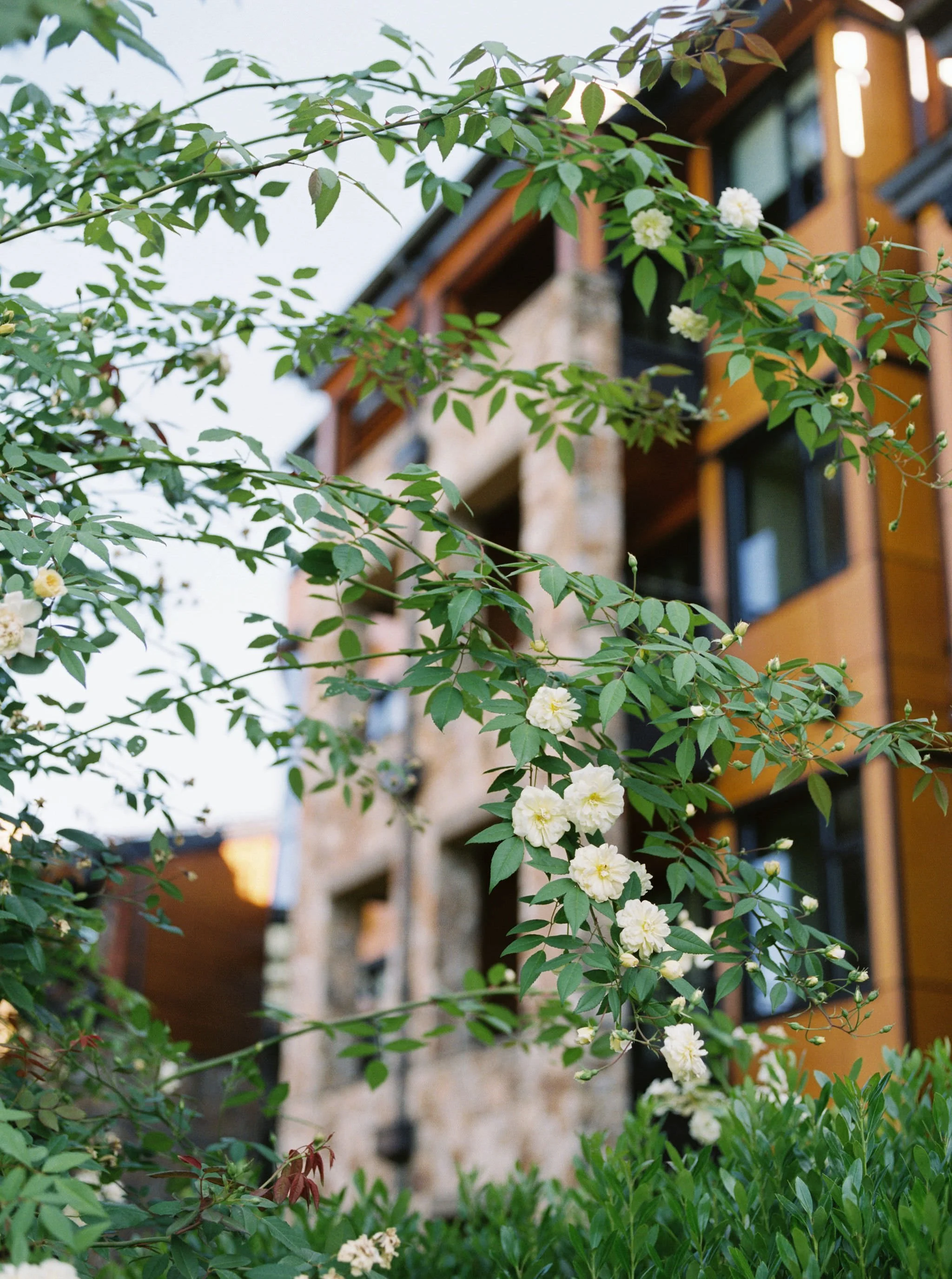
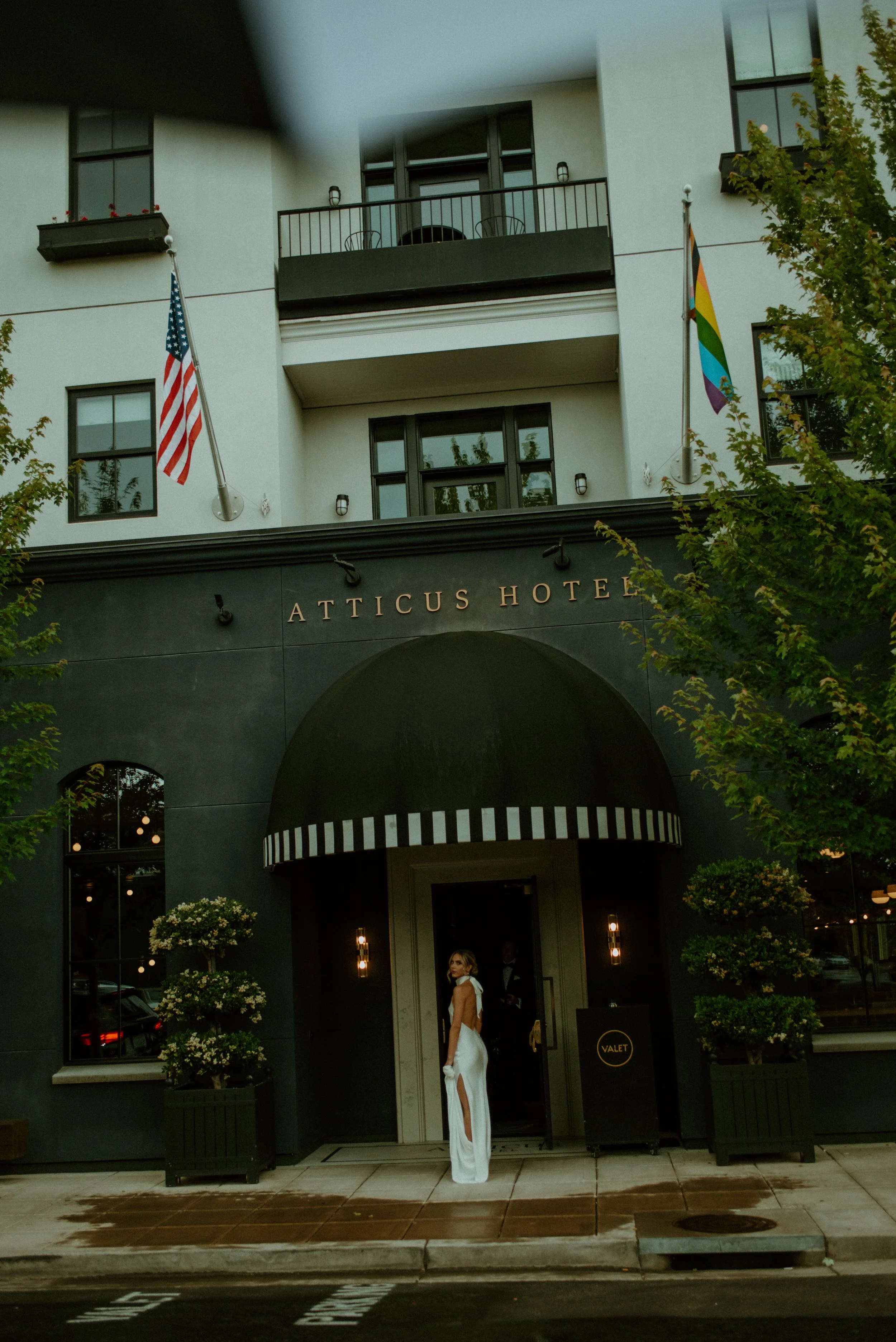
Wine country lodging is limited and books fast, especially during peak season. As soon as a date is selected, lodging jumps to the top of the priority list.
We guide couples on room blocks, buyouts, and nearby options to ensure guests aren’t left scrambling.
Local Vendors vs. Travel Fees
We’re fortunate to have incredible local vendors and always advocate for keeping business local when possible.
That said, vendors traveling in from outside the area—including Portland-based teams and rental companies—often charge travel fees. This isn’t unusual, but it’s something couples should budget for early.
Transportation: Uber & Lyft Are Not Reliable
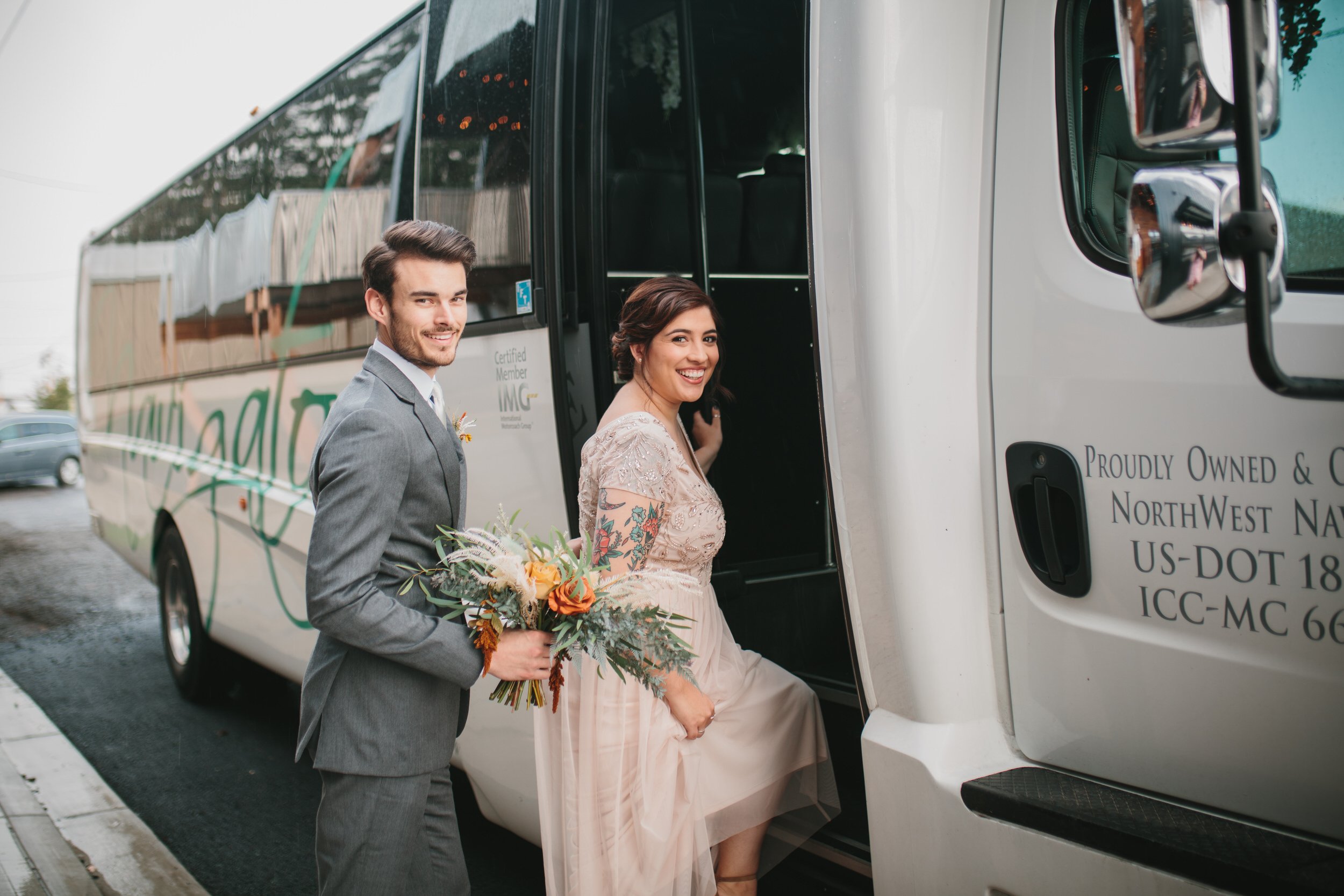
Rideshare services are unreliable in wine country—think winding roads, limited cell service, and celebratory drinking.
For guest safety (and venue requirements), professionally booked transportation is strongly preferred and often mandatory. It’s one of the most important logistics decisions you’ll make.
Late-Night After-Parties: Where to Go
One of the most common requests we receive is for late-night after-party locations once the venue’s noise cutoff hits.
A few local favorites and emerging options include:
LucidWild – the newest venue offering late-night parties, even for non-wedding clients
First Street Public House (Newberg)
Upcoming music venue by Wolves & People
Tried-and-true spots: Social Goods, Barley & Vine Tavern, Old Town Bar & Grill
And the locals’ favorite dive bar: Lumpy’s Tavern in Dundee, often with live music or karaoke
Knowing where to send guests—and how to get them there—makes all the difference.
Final Thoughts
None of these realities are drawbacks—they’re simply part of planning within a living, working landscape.
With local knowledge and proactive planning, wine country weddings feel seamless, grounded, and deeply connected to place. That’s where the magic really lives.
Photographers: Taylor Stuck Photography, Wedding Photo House, Siobhan Lynette, Casi Yost, Amanda K Photography, Tessa Tadlock, and Lady & Gent Photography (closed).